Transportable | Faina Feigin Landau
New exhibition
Thursday, 23.04.26, 10:00
Saturday, 01.08.26
:
Yifat Ashkenazi
More info:
04-6030800
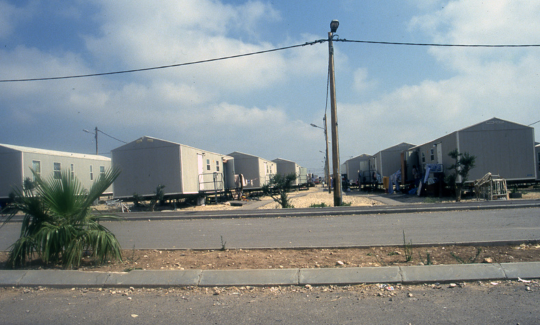
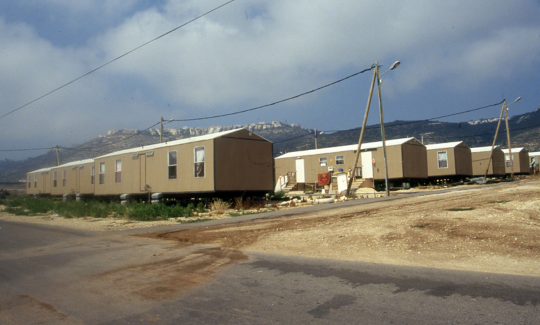
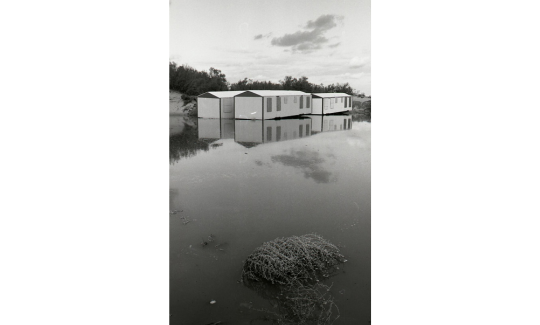
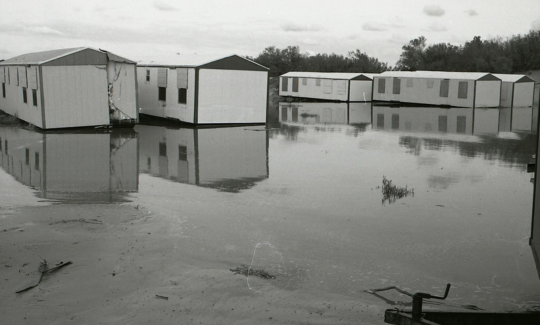
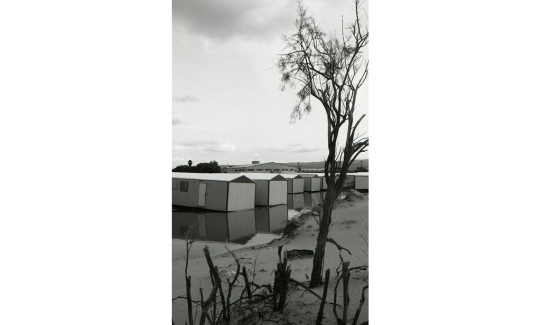
A massive wave of immigration from the former Soviet Union and Ethiopia profoundly reshaped Israel's social landscape during the turbulent 1990s. In response to the country's housing crisis caused by the growing influx, temporary residential neighborhoods known as 'Caravan Sites' were established to accommodate the newly arrived immigrants. As many as 30,000 mobile homes were installed in various locations throughout Israel, including Haifa, and soon developed into immigrant communities. Those neighborhoods and the lives forged within them, through challenges and hardships, constitute an important chapter in the history of Israel and the city of Haifa.
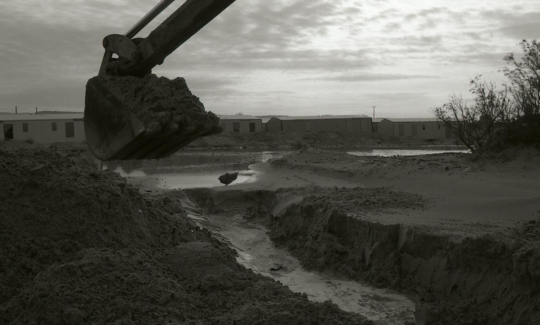
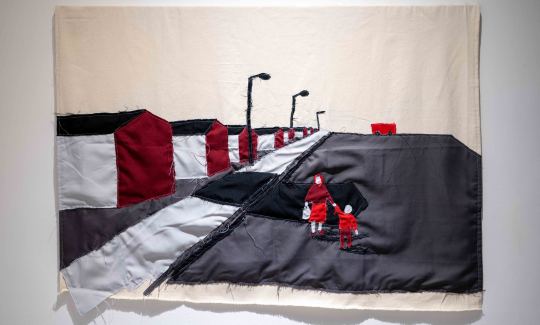
Artist Faina Feigin Landau immigrated to Israel with her family from the former Soviet Union at the age of three and lived in Neve Carmel, an immigrant neighborhood of approximately 1,000 caravans on the southern outskirts of Haifa. Several years ago, the all-new, modern, generic, middle-class neighborhood of Neot Peres was built on the former caravan site. Neve Carmel was wiped off the face of the earth, leaving not even a trace in the public's memory. The story of that neighborhood is not uncommon; most of the public today either no longer remembers or was never aware of these residential sites. They are the product of "Migration Architecture": a temporary home in an unfamiliar, unsafe environment.
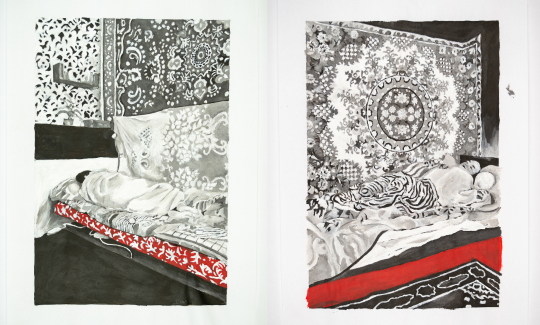
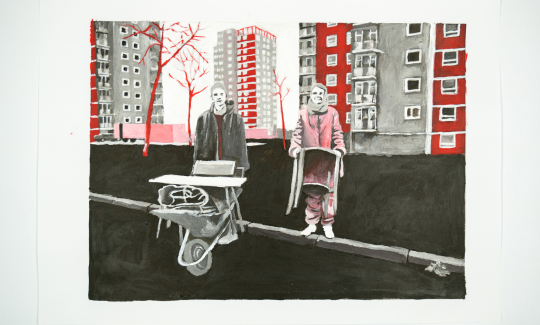
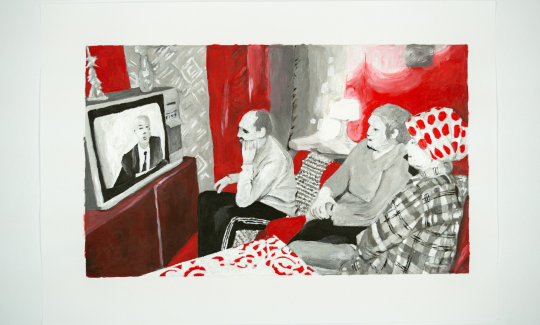
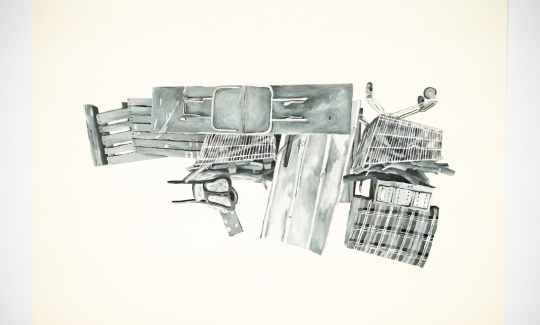
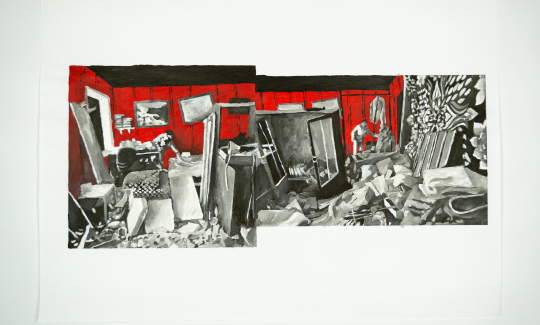
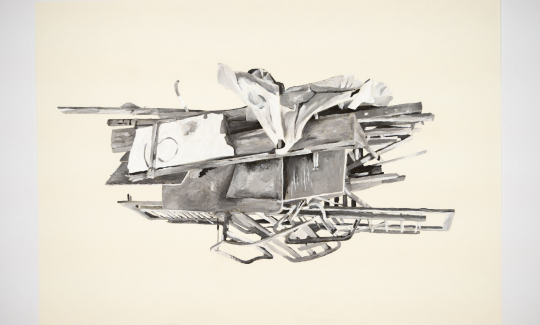
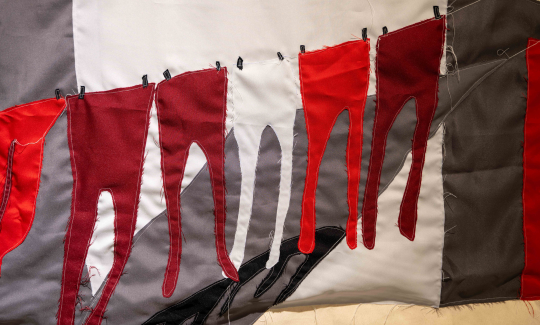
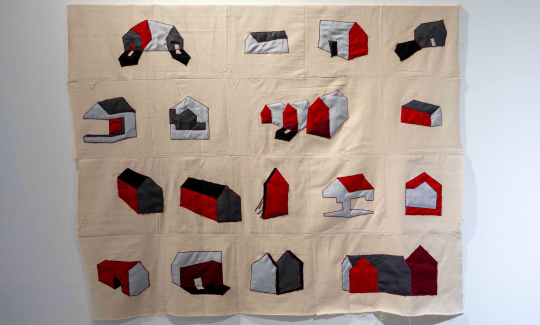
The memory of the provisional home did not escape Feigin Landau's own memory, nor that of those who lived on other such sites across the country, with whom she had met and spoken. Their testimonies and recollections are interwoven with her own childhood story and personal experiences and brought together in the exhibition Transportable. Using a variety of artistic media, including quiltwork, animation, and painting, Feigin Landau constructs a narrative of a forgotten era and a neighborhood erased from the landscape, leaving no visible trace.
Institutional archives carry significant weight in shaping individual and social identity. Fragments of history are easily erased from the collective memory by keeping them out of the public eye or burying them in the archives, a means of manipulating consciousness. No archive can ever truly represent all facets of a city, a community, or a population. From that understanding, initiatives in recent years aim to fill these gaps in the official archives and even rewrite the collective memory. This goal is shared in Faina Feigin Landau's work, created at the Space for Community Art of the Haifa city museums, which established an independent community archive based on individual contributions of private photos and memories. All related materials have been uploaded to a designated website that continues to evolve and sheds light on a time and place etched in the memories of those who resided in the caravan sites, but not necessarily in the broader public consciousness.
Yifat Ashkenazi
Curator of the Haifa City Museum
Oz Zloof
Space for Community Art Curator
The materials for the exhibition were collected with the help of the Facebook group Russians with no sense of humor and their friends.